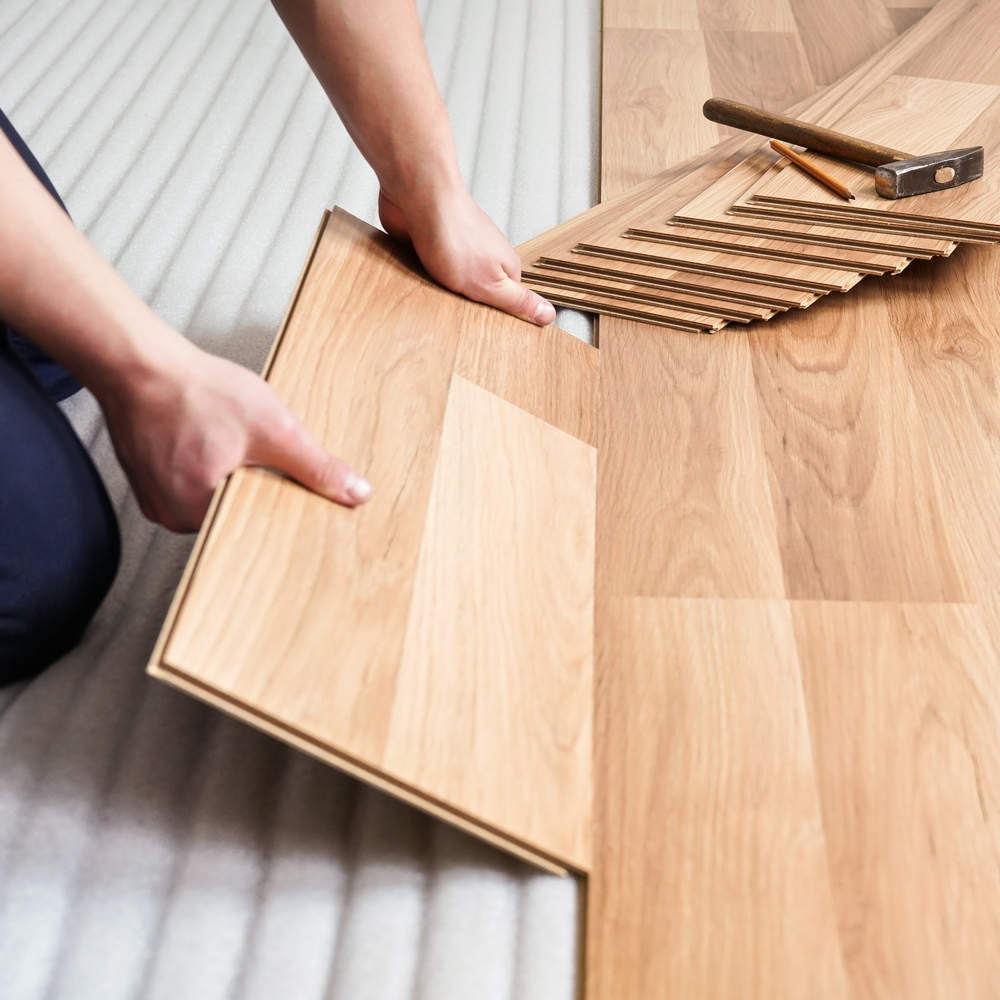
20 Pro Facts For Choosing Floor Installation
Wiki Article
How Much Will Floor Installation Cost In Philadelphia?
The costs of flooring in Philadelphia are one of those subjects where you'll find different numbers depending on where you look. And the majority of information that's made available online is either national average data that doesn't reflect local labor rates or is unclear enough to make no sense for those trying to prepare a budget for a job. The Philadelphia metro has unique pricing dynamics: labour markets that are union-adjacent, an aging housing stock that frequently brings up subfloor issues and a wide spread between budget-friendly flooring installers as well as licensed flooring contractors with proper insurance. Here's an in-depth breakdown of what the installation cost is in the city, as well as nearby counties as of right now.
1. LVP Installation Is Your Most Affordable Starting Point
Luxury vinyl planks are always the cheapest installation option in Philadelphia. The majority of LVP flooring contractors in the region charge anywhere between $2.50 as well as $4.50 per square meter for labor alone and the mid-range LVP materials adding an additional $2-$5 to each square foot. A typical room can cost $4.50 to $9 per square foot of flooring. It's easy to install, requires little prep work for the subfloor in most cases, and floating technique reduces labor costs substantially compared to nail-down or glue-down alternatives.
2. Installing Hardwood Costs Moreand with good reason.
Solid hardwood installation in Philadelphia typically runs $6 to the square foot for labor. of labor, based on the installation method along with the construction company. Nail-down hardwood sits at the top end since it requires more accuracy, the right depth of subfloor, and longer installation time. A glue-down wood slab includes additional material costs for adhesive. The wood itself varies enormously and budget hardwood begins at a price of around $3 a square foot but premium species such as white oak or hickory could increase the price from $10 to $14 per square foot prior to the nail is inserted.
3. Refinishing of Hardwood Is Less Expensive Than Replacement - Usually
If your hardwood floors are structurally sound floors, floor sanding or refinishing in Philadelphia generally cost between $3 and $5 per square footconsiderably less than ripping apart and installing. Custom hardwood staining during refinishing adds costs, but is cheaper than installing new. The caveat is that floors which have been refinished a number of times or have water damage that is significant or are just too thin to be refinished aren't usually good candidates. A proper evaluation from an accredited flooring contractor will show you the side of that line you're on.
4. Tile Installation may result in a higher Cost of Labor
Ceramic tile and porcelain installation is the most labor-intensive flooring category. Philadelphia flooring contractors usually charge $7 to $14 per square foot for installation work. Ceramic tiles are on the higher end due the difficulty of cutting. Big-format tiles with diagonal design, as well as bathroom tile installations with niches or borders push costs further. Prices for tiles vary from $1.50 to $1.50 per square meter for basic ceramic and $15 to $15+ for premium or premium-quality porcelain. If you've been given a suspiciously low tile price make sure you know exactly what's included.
5. Laminate Installation Doesn't Work Between LVP and Hardwood
Laminate flooring in Philadelphia typically runs between $3 to $6 per square foot installed and materials are included at the lowest price. The flooring is floating, just like LVP thus the costs for labor are similar, but laminate is more tolerant of flooring that is uneven and more vulnerable to moisture -- which influences where it's likely to install in a Philadelphia home. Flooring installation quotes that are cheap usually contain laminate, and it's not always the right decision dependent on the space.
6. Subfloor Repair Is A Wildcard that can get homeowners off guard
This is what blows budgets the most often. Subfloor repair in Philadelphia including patching repairs to rot, leveling up, or replacing areas of old-fashioned board subfloor can cost from $1 to $3 per square foot. That's on top the flooring installation cost, sometimes more. Older homes located in Kensington, Germantown, West Philly, and similar areas are especially susceptible to this. Flooring estimates that don't contain a subfloor examination prior to quoting you a final number should be considered with caution.
7. The location within the Metro Can Influence Your Quote
Flooring installation costs for flooring installation in Bucks County, Montgomery County, Delaware County, and South Jersey aren't dramatically different from Philadelphia at all, but there are differences. Suburban contractors can have lower overhead; city jobs occasionally come with access and parking costs. If you're drawing quotes across multiple counties, be sure you're looking at similar things included -- materials like subfloor prep furniture removal, subfloor prep, and the haul-away process is different for different contractors.
8. Getting Multiple Free Flooring Estimates Is Non-Negotiable
Most trustworthy flooring contractors in Philadelphia provide free estimates. Make sure to get at least three estimates before you commit to anything. The variance between the cheapest and most expensive quote for the same job is frequently 30-40 percent, so the cheapest estimate is not necessarily the best choice or being the most expensive always the best. What you're looking at is whether you can tell whether the contractor really assessed the subfloor's condition, understood its dimensions, and has priced according to the scope.
9. Engineered Hardwood Hits a Useful middle price point
Engineered hardwood flooring in Philadelphia generally costs between $5 and $9 per square feet less than solid hardwood but higher than LVP and boasts advantages that make it the best choice for multitude of situations. It's worth asking any flooring provider you've spoken with to include some engineered options in their estimate if you're deciding between vinyl and solid wood plank.
10. The lowest price seldom comes into Contact with the Actual Job
Experienced Philadelphia homeowners will tell you this one from the experience of their homes. An estimate that appears to be significantly below market usually means something is missing -- subfloor work, transitions, baseboards, or the proper acclimation of the material. The flooring contractors who are licensed include these things into their estimates since they understand that the task requires them. Budget operators without a license leave them out to win the bid, only to present their add-ons later once the work is underway. Get everything itemized in writing prior to the time anyone starts ripping the carpet. See the top
engineered hardwood installation Philadelphia for site examples including hardwood floor refinishing cost Philadelphia, laminate flooring installation Philadelphia PA, LVP flooring Philadelphia PA, bathroom tile installation Philadelphia, flooring installers South Jersey, nail down hardwood flooring Philadelphia, laminate floor contractors Philadelphia, free flooring estimate Philadelphia, tile flooring installation Philadelphia, waterproof flooring installation Philadelphia and more.

Tile Is Different From. Laminate: The Perfect Alternative For Philly Kitchens
The kitchen flooring decision in a Philadelphia residence is more important than the majority of rooms since kitchens here work hard. Rowhome kitchens that function as social hubs galley kitchens found in older twins that are prone to constant feet, open-plan cooking with renovated Delaware County colonials -- they all share the same challenges at their core: dropping things, water, grease, and decades of use. Laminate and tile both show regularly in flooring estimations across the Philadelphia metro area, and both have arguments in their favor. But they are not interchangeable. Choosing the wrong type of flooring for a kitchen specifically tends to become evident faster than in other rooms of the home. Here's how this comparison can be broken down.
1. Water Resistance Is the First Filter, and Tile Wins It in a way that is clean
Kitchens get wet. Dishwashers leak; sinks overflow glasses break, sinks spill over, and the mop and mop water sits longer that it ought to. Porcelain and ceramic tile are almost impervious at the surface -- the only risk is contained in the grout, and is easily addressed by proper sealing. Laminate has a wood-fiber core which absorbs moisture from the moment it gets under the surface layer. In the kitchen it happens later. When the laminate expands at edges or the seams of the floor, the damages are permanent and the flooring will need to be replaced. Installing waterproof flooring in a Philadelphia kitchen is an acceptable aim, and laminate isn't able to provide it.
2. Laminate comes with a lower entry Price but a Less Long Kitchen life span
This is where laminate makes its strongest case. In Philadelphia kitchens will always be less expensive than tile- lower costs for materials, speedier labour, and no requirement for mortar or grout. For homeowners on a tight budget and who require a kitchen floor that looks great now, laminate flooring is attractive. The truth is the longevity. A tile that is properly installed in the right way in a Philadelphia kitchen can last 20 to 30 years without much intervention. Laminate within the kitchen that is exposed to the humid conditions that kitchens produce, usually begins to show signs of problems within 5-10 years.
3. Ceramic Outperforms Porcelain in High-Traffic Kitchen Conditions
Not all tiles are created equal in the kitchen. Porcelain tile is heavier, denser and less porous than ceramic. It can withstand dropped cast iron pans and chair legs, as well as the constant flow of foot traffic better over time. Ceramic flooring tiles are a good kitchen option, particularly in spaces with less traffic or in which budget is a factor in the decision, but the density difference is important in a space that can take as much abuse as a kitchen. Philadelphia flooring professionals who do large amounts of kitchen tiles installation will generally steer your choice to porcelain unless cost is the primary consideration.
4. Laminate Comfort Underfoot is an Advantage
It's not given enough credit in the tile and. laminate debate. Tile is hard and cold and sitting on it for an extended cooking session is heavier than laminate, which has slight cushioning and is more comfortable underfoot. In a Philadelphia rowhome, where the kitchen floor runs over a basement that's not well-insulated, ceramic tile in winter is extremely uncomfortable without radiant heat beneath. Laminate isn't the answer to every flooring problem in kitchens but it does solve this one, and for homeowners who spend real time standing within their kitchens, it's real quality-of-life issue.
5. The Grout Maintenance Process is the Honest Downside of Tile
Tile is a winner in durability and water resistance, but grout's weakness is. Unsealed or aging grout in a kitchen is prone to absorbing grease, staining, as well as bacteria. To keep kitchen tile floors looking clean requires sealing the grout before the installation as well as periodic sealing over time to extend the life of the floor. Philadelphia tile flooring companies that are honest about this will do you a favor. The homeowners who select tile with the expectation of no maintenance are typically those who end up with grey grout lines which were initially white.
6. Large Format Tiles Can Change The Kitchen Look and Subfloor requirements.
Large porcelain tiles that are larger than 24x24 is becoming popular in Philadelphia kitchens. They are truly impressive when in the right place. It is important to note that large format tiles are more demanding on subfloor flatness unlike smaller tiles. Any difference in subfloor can be seen as lippage edges which are set at different heights. This is both a visual problem as well as a danger to the pedestrian. Subfloor repair prior to large format construction of tile in Philadelphia kitchens may be required but the cost doesn't get included in a materials-only estimation.
7. Laminate Cannot Be Refinished After It Wears
Flooring for kitchens made of hardwood that is less widespread but not unheard of -- could be sanded and polished after the surface begins to wear. Tiles may be repaired individually or have cracked tiles replaced. Laminate offers no other option. If the layer of wear on laminate breaks down, and it tends to do faster in kitchens that in the bedroom, the flooring needs to be replaced completely. For those who plan to remain in a Philadelphia home for 15-plus years, laminate's failure to be restored is a legitimate price point that the low upfront cost will not always reduce.
8. LVP Is the Third Option Both comparisons point to
It's important to name it clearly this: Luxury vinyl plank is waterproof like tile, warmer and more comfortable beneathfoot than laminate and is more durable in kitchen conditions than even when it comes to the specific combination of moisture and foot traffic. LVP flooring use in Philadelphia kitchens is growing significantly due to the fact that it eliminates the main tension between the two options that most homeowners are comparing. It's not the right answer for every kitchen however it's why that the tile vs. laminate debate usually ends by a flooring expert recommending a third option.
9. The time to install a system varies significantly between the Two
Laminate flooring is installed in kitchens very quickly. A small to medium size kitchen can generally get done in a matter of days. Tile installation is more complicated: the time to set mortar in addition to grout curing the precision required for layout and cutting all add up. For Philadelphia homeowners looking to get a functioning kitchen and efficiently, laminate provides a timing advantage. For those already doing a broader kitchen renovation when the timeline has already been prolonged, tile's installation requirements will be less of an issue in the overall decision.
10. The Kitchen's existing subfloor must The Final Call
More than aesthetics as well as budget and more so than personal preference -- the state and design of the subfloor in your Philadelphia kitchen should be a essential factor when deciding which subfloor you choose. A solid, flat and smooth plywood subfloor lets you choose from a variety of options such as large format tile. A subfloor made of diagonal boards may need an overlay before tile becomes suitable, and that changes the budget. Concrete slabs below grade alters the discussion about moisture completely. The most reliable flooring experts in Philadelphia will look at the kitchen's subfloor first and allow that assessment to inform the recommendation rather than leading with the materials they've got in the warehouse. Check out the most popular Have a look at the most popular LVP floor installation cost Philadelphia for blog advice including tile flooring installation Philadelphia, hardwood flooring Philadelphia, flooring installation Montgomery County PA, glue down hardwood flooring Philadelphia, luxury vinyl plank installation Philadelphia, flooring contractors Bucks County, LVP flooring Philadelphia PA, LVP flooring contractors Philadelphia, floating hardwood floor installation Philadelphia, tile flooring contractors Philadelphia PA and more.